Executive Summary
160+ AI use cases from 32 countries across healthcare, climate, education, digital inclusion.
The rapid acceleration of generative AI and multi-agent systems has fundamentally altered the enterprise landscape. In this comprehensive analysis, we explore the core challenges, strategic imperatives, and human-centric adoption strategies necessary to navigate this complex environment. According to recent findings from ITU, the gap between initial experimentation and sustainable, enterprise-wide deployment is where most organizations stumble.
The Core Challenge
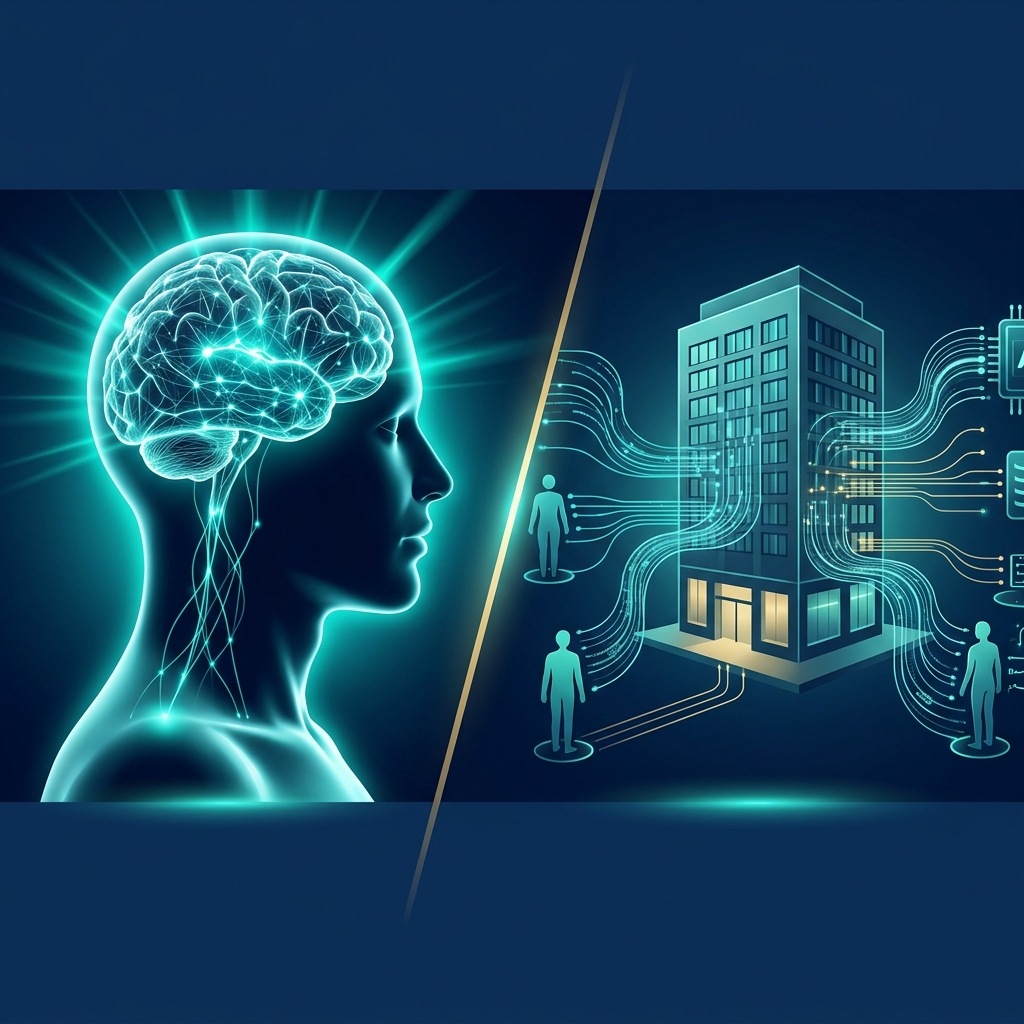
In the era of Agentic AI, organizations are moving incredibly fast. As highlighted by the ITU, the gap between AI experimentation and secure, scalable human adoption is widening at an unprecedented rate. It's no longer just about deploying Large Language Models (LLMs); it is fundamentally about embedding intelligence safely into the enterprise fabric.
Many leaders mistakenly treat AI adoption as a pure technology implementation. However, without proper governance, robust ethical guardrails, and workforce enablement, these initiatives often fail to scale past the pilot phase. The lack of standardized frameworks leads to fragmented deployments, increased security vulnerabilities, and ultimately, diminishing returns on investment.
Strategic Importance and Market Impact
Why is this critical right now? Practical, scalable solutions with global submissions; tangible benefits for LMICs.
At Mindacks, we believe that governance is not an impediment to innovation—it is the absolute foundation that makes sustainable innovation possible. The evolving regulatory landscape, most notably the European Union AI Act and the widespread adoption of ISO 42001, demands that global leaders proactively structure their AI ecosystems. Organizations that establish strong governance frameworks today will possess a significant competitive advantage tomorrow.
Key Pillars of Sustainable Adoption
- Human-Centric Design: AI systems must be designed to augment human capabilities, not just automate tasks blindly.
- Robust Governance: Implementing standards like ISO 42001 ensures compliance, security, and ethical deployment.
- Continuous Enablement: Training teams to interact seamlessly with agentic workflows is vital for long-term success.
Conclusion and Next Steps
The path forward requires a unified approach combining advanced technology with rigorous behavioral science and governance. As AI transitions from a novelty to a core operational necessity, leaders must prioritize frameworks that ensure safety, transparency, and human alignment.
Explore further insights and the original source material: Read the Full External Report
Authored by the Mindacks AI Institute Research Team. For customized governance strategies and ISO 42001 readiness assessments, please explore our consulting services.

Mindacks
Leading the charge in responsible AI transformation. We help global enterprises align AI systems with human-centric governance, scaling intelligence securely and sustainably.
Read our story